
In 2026, TP reviewers continue to make outstanding contributions to the peer review process. They demonstrated professional effort and enthusiasm in their reviews and provided comments that genuinely help the authors to enhance their work.
Hereby, we would like to highlight some of our outstanding reviewers, with a brief interview of their thoughts and insights as a reviewer. Allow us to express our heartfelt gratitude for their tremendous effort and valuable contributions to the scientific process.
Piotr Jung, Children's Hospital of Philadelphia, USA
Aguan D. Wei, Seattle Children’s Research Institute, USA
Celeste Riepe, Stanford University, USA
Tebyan Afnan Rabbani, Stanford University, USA
Derek S Tsang, Princess Margaret Cancer Centre, Canada
Jeff M. Sands, Emory University, USA
Antti J Kukka, Uppsala University, Sweden
Vonita Chawla, University of Arkansas for Medical Sciences (UAMS), USA
Yoshiki Kusama, Osaka University Hospital, Japan
Amy J. Sloane, Thomas Jefferson University, USA
Ligi Milesh, University of Wisconsin–Madison, USA
Savas Tsikis, Beth Israel Deaconess Medical Center, USA
Edison E. Villalobos, Nationwide Children's Hospital, USA
Hok Leong Chin, University of Chicago Medical Center, USA
Piotr Jung

Dr. Piotr Jung is a cancer biologist currently working at the Children's Hospital of Philadelphia (CHOP). He received his PhD as a Marie Curie Fellow at the University of Cambridge (Babraham Institute), where he studied PI3K signaling and protein–protein interactions in cancer. His earlier training includes work at Dana-Farber Cancer Institute in Dr. Peter Sicinski's laboratory, focusing on cyclins and CDK2 in cell cycle regulation. His research centers on understanding how extracellular signals and cell cycle machinery drive tumor progression, with a particular focus on neuroblastoma, an aggressive pediatric cancer. He has developed a three-dimensional tumorsphere model to investigate how matrix metalloproteinases (MMPs), growth factors such as EGF and FGF, and cyclin-CDK complexes regulate proliferation and metastasis. Alongside his research, Dr. Jung is deeply committed to mentoring undergraduate and post-baccalaureate trainees and integrating rigorous, hypothesis-driven science with inclusive education. Learn more about him here.
TP: Why do we need peer review?
Dr. Jung: We need peer review because scientists fall in love with their own data. After spending months—or more often years—on a project, troubleshooting failed experiments, defending it at lab meetings, and rewriting the figures a dozen times, it’s very easy to lose objectivity. By the time we submit the manuscript, we’re usually convinced it’s flawless. It’s our scientific “baby,” and in our eyes, it’s perfect. That’s exactly why peer review is so important. Fresh, independent experts can see what we no longer can—missing controls, overinterpreted conclusions, unclear figures, or logical gaps that slipped past us. They ask the uncomfortable but necessary questions. While receiving reviews can feel like opening exam results, you’re not sure you want to see, it almost always makes the work stronger. At its best, peer review isn’t about criticism—it’s about quality control. It protects the integrity of the field and ensures that what we publish is rigorous, reproducible, and actually advances knowledge. In the end, a slightly bruised ego is a small price to pay for better science.
TP: What do you regard as a constructive or destructive review?
Dr. Jung: Receiving reviews can feel soul-crushing—I know that firsthand. Opening that email with reviewer comments can raise your heart rate instantly. But over time, I’ve come to see that the tone of a review matters less than its substance. A constructive review is one that engages seriously with the science. It may be critical—even blunt—but it provides specific feedback, points out weaknesses in logic or methodology, suggests additional controls, or offers alternative interpretations. Even if it stings at first, it ultimately strengthens the manuscript and improves the quality of the work. Those are the reviews that make you pause, rethink, and sometimes run one more experiment—and later, you will be grateful you did. A destructive review, in contrast, is vague, dismissive, or overly personal. Comments that lack explanation, offer no actionable suggestions, or focus on undermining rather than improving the work are not helpful. Ironically, overly positive reviews that claim everything is flawless can also be concerning—they may suggest the reviewer didn’t engage deeply with the manuscript. In my experience, the most valuable reviews are not the nicest ones, but the ones that take the science seriously enough to challenge it.
TP: Is there any interesting story during review that you would like to share with us?
Dr. Jung: One of the most memorable parts of my experience with peer review has been living on both sides of the process. As an author, I’ve gone through several rejection cycles with very harsh reviews. At the time, it felt like an emotional rollercoaster—initial excitement, followed by disappointment, sometimes even frustration directed at anonymous reviewers who, in that moment, seemed unnecessarily critical. However, becoming a reviewer myself completely changed my perspective. I realized how much time and intellectual effort it takes to carefully read a manuscript, evaluate the data, check the logic, and formulate constructive feedback. A thoughtful review is not written casually—it requires real engagement with the science. Because of those experiences, I now try to be the reviewer I would have wanted during my toughest revisions. I aim to be precise and actionable. Instead of saying “improve the introduction,” I suggest specific concepts to clarify, key references to include, or even structural improvements like adding a graphical abstract to explain a complex mechanism. I also make a point to highlight strengths, not only weaknesses. Going through rejection and revision has made me a more empathetic author and a more responsible reviewer.
(by Ziv Zhang, Brad Li)
Aguan Daniel Wei

Aguan Wei, PhD, is a senior scientist at Seattle Children’s Research Institute, with prior faculty affiliations with Schools of Medicine at the University of Washington and Washington University in St. Louis. His primary scientific expertise lies in the molecular function of ion channels. With his colleagues in Seattle, he has expanded these interests to include central respiratory control, epilepsy and human genetics related to membrane excitability. Dr. Wei was born in Taiwan and grew up in the Midwest and Southeast of the USA. He graduated from the University of California-Berkeley (A.B.) and the University of Oregon (PhD). He received additional training at the Marine Biological Laboratory at Woods Hole and was a postdoctoral trainee at Washington University in St. Louis.
Peer review, in Dr. Wei’s view, is a critical component of self-correction in scientific publishing that draws on the collective wisdom of experts in the field to sustain a high quality of published reports. Beyond serving as a check for quality, the best reviews also provide constructive suggestions and perspectives for manuscript authors to consider.
Dr. Wei believes that inherent biases of reviewers, once recognized, should be explicitly stated in the review and to the journal editors. If these biases are judged severe enough to preclude a fair consideration, the reviewer should recuse himself/herself from the review. A second check on biases unfairly affecting an evaluation lies with the journal editor, who can request additional reviews upon appeal. Ultimately, he notes that the final check of all science is a collective effort and the ability of other laboratories to independently replicate the same observations.
Dr. Wei views peer review as a professional duty and responsibility, and a privilege contributing to the long tradition of scientific exploration. He finds that reviews, rather than a burden, can often offer an opportunity to learn about specific topics in greater depth than he may have had initially. He also emphasizes that everyone needs downtime for healthy reflection and judicial balance, and he personally enjoys walking through the beautiful city parks and neighborhoods in Seattle.
(by Ziv Zhang, Brad Li)
Celeste Riepe
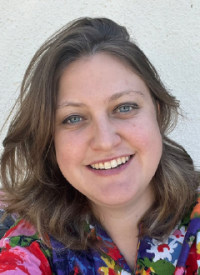
Celeste Riepe, PhD, is a senior postdoctoral fellow in the Kopito laboratory in the Department of Biology at Stanford University. She specializes in using state-of-the-art genetics and genome editing methods to better understand why some people with cystic fibrosis fail to respond to modulator therapies. A native of San Marcos, TX, Dr. Riepe received a BA in Biochemistry and Cell Biology from Rice University in Houston, TX, and a PhD in Molecular and Cell Biology from the University of California, Berkeley, where she worked in the laboratories of Nicholas Ingolia and Jacob Corn to characterize changes in protein synthesis and ribosome composition after Cas9-mediated genome editing. Dr. Riepe has been awarded the Cystic Fibrosis Foundation’s Path to a Cure Fellowship and Cystic Fibrosis Research Institute’s Elizabeth Nash Memorial Fellowship for her work on cystic fibrosis. Connect with her on LinkedIn.
TP: Why do we need peer review?
Dr. Riepe: Science is an inherently human process: we make mistakes, we are blinded by our biases, and we fall prey to our anxieties about funding and career advancement. Although an imperfect system, peer review helps guard scientists and the public from misguided or dishonest science that wastes precious time and funding. For peer review to remain an effective safeguard, it must remain blind—this enables the authors and reviewers to focus more on the science and less on the politics and prevents quid-pro-quo science in which authors are favorably reviewed in exchange for favors down the line.
TP: What do you regard as a constructive/destructive review?
Dr. Riepe: I strongly believe in providing actionable criticism—I see my role as a reviewer to provide authors with strategies for improving their science. When I receive a manuscript, I jot down my problems with the manuscript then I sit back and try to come up with feasible solutions. The tricky part is translating those solutions into review questions and commentary that nudge the authors in the right direction.
The most destructive types of reviews are 1) when reviewers insult or antagonize authors on personal grounds, 2) when reviewers reject the claims of a manuscript without providing any clear rationale, and 3) when reviewers ask for tangential experiments that have nothing to do with the science at hand. I find that these reviews are deeply inconsiderate of the time and energy of the authors.
(by Ziv Zhang, Brad Li)
Tebyan Afnan Rabbani
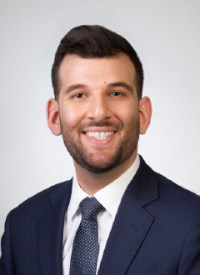
Tebyan Rabbani is a pediatric transplant hepatologist fellow at Stanford University, where his work has focused on improving the early diagnosis and outcomes of infants with cholestatic liver disease. His research centers on biliary atresia screening, implementation science, and ultrasound-based biomarkers to accelerate diagnosis and reduce disparities in care. He has led multi-site initiatives implementing direct bilirubin newborn screening and collaborative ultrasound protocols across several institutions, and he is involved in international efforts to standardize evaluation of infants with cholestasis. Dr. Rabbani’s broader interests include quality improvement in pediatric liver disease, transition of care for children with chronic liver conditions, and mentoring trainees in clinical research and systems-level innovation. He is committed to bridging the gap between discovery and bedside practice to ensure that advances in pediatric hepatology reach patients sooner and more equitably.
TP: Why do we need peer review?
Dr. Rabbani: Peer review is one of the few structured ways our field collectively protects the integrity of scientific knowledge. It serves as both a quality filter and a refinement process—ensuring that new findings are methodologically sound, clinically meaningful, and interpreted responsibly. Importantly, peer review is not meant to be a gatekeeping exercise but a collaborative one. The best reviews improve a manuscript’s clarity, strengthen its analysis, and help authors anticipate how their findings will be used in real-world clinical settings. In medicine, where research directly informs patient care, thoughtful peer review is essential to maintaining trust in the literature and to preventing premature or misleading conclusions from shaping practice.
TP: What reviewers have to bear in mind while reviewing papers?
Dr. Rabbani: Reviewers should approach manuscripts with intellectual rigor and humility in equal measure. A review should ask: Is the question important? Are the methods appropriate? Are the conclusions supported by the data? But beyond critique, reviewers should aim to help authors produce their strongest possible work. Constructive feedback, specificity, and respect for the effort behind a study go a long way. It is also important to recognize context—differences in resources, patient populations, and study design constraints across institutions. Ultimately, reviewers should remember that their role is to advance the science, not simply to judge it.
TP: Data sharing is prevalent in scientific writing in recent years. Do you think it is crucial for authors to share their research data?
Dr. Rabbani: When feasible and ethically appropriate, data sharing is increasingly important. It allows for validation of findings, secondary analyses, and broader collaboration—particularly in fields like pediatric hepatology where individual centers may see relatively small numbers of patients. Shared data can accelerate discovery, reduce duplication of effort, and improve transparency. At the same time, data sharing must be done responsibly, with attention to patient privacy, data governance, and appropriate interpretation. The goal is not simply openness, but meaningful collaboration that advances patient care and scientific understanding. When done thoughtfully, data sharing strengthens both the credibility and the impact of research.
(by Ziv Zhang, Brad Li)
Derek S Tsang

Dr. Tsang is an Associate Professor in the Department of Radiation Oncology at the University of Toronto. He is a radiation oncologist at the Princess Margaret Cancer Centre and Hospital for Sick Children in Toronto, Canada. He completed his medical training at Queen’s University, followed by residency at the University of Toronto. He obtained fellowship training in paediatric radiation oncology at St. Jude Children’s Research Hospital in Memphis, Tennessee, and holds a Master’s degree in clinical epidemiology from the Harvard T.H. Chan School of Public Health. Dr. Tsang’s research interests include evaluating re-irradiation for recurrent tumours and reducing the late effects of radiotherapy. He participates in international cooperative group studies with the Children’s Oncology Group and NRG Oncology, and also serves as an Associate Editor for the Red Journal and sits on the Editorial Board for Neuro-Oncology. Learn more about him here.
Dr. Tsang says that peer review is a system that works when contributors to scholarly knowledge (authors) also participate in ensuring the integrity of new knowledge, as peer reviewers. In the current academic world, there are heavy demands on everyone’s time, and one can be tempted to just hit “decline” on a peer review invitation. However, there is an unwritten social contract within academia that those whose knowledge and skills permit them to write a high-quality review should indeed do so. In his view, if every academic abides by this principle, peer review will continue to succeed and thrive.
Dr. Tsang stresses that it is very important for authors to disclose their conflicts of interest (COIs). He notes that COIs can be real or perceived; the key is transparency. Authors should err towards disclosure when there is uncertainty. It can then be left to editors, reviewers, readers, and the scientific community as a whole to decide how to interpret the reported results in the context of disclosed COIs.
“There is a need for academic institutions to recognize the time dedicated by peer reviewers. Without peer review, the publishing ecosystem would cease to function. I recognize this important point; just as others have donated their time to review manuscripts that I write and submit, I have a duty to serve as a peer reviewer for manuscripts that I am qualified to review.
It is important for hospitals and universities to acknowledge and reward peer reviewer duties; perhaps participation as a peer reviewer should be formally recognized within academic promotion criteria,” says Dr. Tsang.
(by Naomi Hu, Brad Li)
Jeff M. Sands
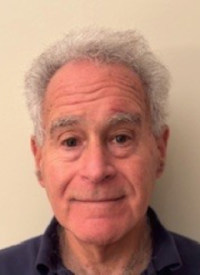
Dr. Jeff M. Sands is the Kokko Professor Emeritus of Medicine at Emory University and the Chief Medical Officer of NephroDI Therapeutics. Dr. Sands’ research focuses on the molecular physiology of urea transporters, aquaporins, and the urine concentrating mechanism, and the translation of these basic research findings into novel therapies for nephrogenic diabetes insipidus. NephroDI Therapeutics is developing a small-molecule therapeutic for congenital nephrogenic diabetes insipidus, which is a pediatric orphan disease. Dr. Sands has authored over 180 peer-reviewed manuscripts, 105 invited reviews or book chapters, and has co-edited a book. Dr. Sands has given 40 invited talks at national or international scientific meetings and over 110 invited lectures at other U.S. or international universities. He has received several honors, including the Homer W. Smith Award from the American Society of Nephrology in 2022; and the Robert W. Berliner Award from the American Physiological Society Renal Section in 2025.
Dr. Sands stresses that peer review is essential for ensuring the quality of research publications. It provides assurance that experts in the field have reviewed what is in the publication and concur with the findings and that they support the conclusions. It also provides a service to authors, as peer review offers feedback on the work and often leads to better publications.
From a reviewer’s perspective, Dr. Sands emphasizes that it is important for authors to follow reporting guidelines. These guidelines provide standards for what should be included in a manuscript. This is crucial for the readers as they consider implementing the manuscript’s findings into their own research or clinical care.
“Serving as a peer reviewer is both an important service and an educational opportunity. One often learns by reviewing manuscripts about how to improve the quality and clarity of one’s own writing,” says Dr. Sands.
(by Naomi Hu, Brad Li)
Antti J Kukka

Dr. Antti J Kukka is a general paediatrician working at Gävle Regional Hospital, Sweden. His research affiliation is with Uppsala University, Sweden, where he recently completed his PhD with the title “Surviving Birth and Thriving: Identifying infants at risk of death and disability in low- and middle-income countries”. He has a broad interest in Global Child Health and is currently on assignment with Doctors Without Borders (MSF) in South Sudan. Visit Dr. Kukka’s homepage and ResearchGate for more information.
TP: What do you consider as an objective review?
Dr. Kukka: An objective review is an attempt to put aside your own personal preferences when assessing the merits and shortcomings of a manuscript. We all view the world through our own subjective lens, so I do not believe that it’s possible for a reviewer to be completely objective. When reviewing a paper, I try to be clear with the authors if my queries are based on my own preferences or prejudices, or about factual errors.
TP: What do you regard as a healthy peer-review system?
Dr. Kukka: A genuinely healthy peer-review system would start with assessment of the study plan before even sending in the ethical application and conclude with post-publication review of the already conducted research. This is, of course, unrealistic within our current level of resources, although I am excited about the potential of platforms like PubPeer in widening the definitions of peer review. When it comes to the traditional style of peer review with editors sending manuscripts to experts within the field, a healthy system would provide a timely assessment of the research from both subject matter and methodological experts. I believe that having a possibility for several rounds of review is beneficial to the final product, albeit delaying the publication.
TP: Is there any interesting story during review that you would like to share with us?
Dr. Kukka: I was recently asked by a journal, whose name I will omit, to review a manuscript on neonatal encephalopathy based on the Global Burden of Disease data. The manuscript itself was well written, but some of the results seemed to make no sense when compared to previous iterations of the same study. What put me off was referencing. Many of the background citations referred to studies with only a tangential connection to the topic. The highlight was “Guidelines for Accurate and Transparent Health Estimates Reporting: the GATHER statement,” being supported by a reference to a study about ancient Japanese hunter-gatherers!
I brought my suspicion of AI misuse to the attention of the editor, who, to my dismay, responded that the paper had gone through an initial AI check and would need to be rejected on the basis of methodological weaknesses rather than suspicion of misconduct alone. I completed my review recommending rejection, and was relieved to find out that the paper was indeed rejected. Soon, AI-written papers will be reviewed by AI software without any human input—surely that can’t be healthy for science or peer review!
(by Naomi Hu, Brad Li)
Vonita Chawla

Dr. Vonita Chawla, MBBS, is a board-certified neonatologist and Assistant Professor of Pediatrics in the Division of Neonatal-Perinatal Medicine at the University of Arkansas for Medical Sciences (UAMS), practicing at Arkansas Children’s Hospital. Her academic work focuses on quality improvement, clinical research, and systems-level innovation to advance neonatal outcomes. As NICU Quality Lead, she has led impactful initiatives including reducing time to hyaluronidase for IV extravasation injuries, and advancing neonatal vascular access and perioperative transfusion practices. Her research covers congenital heart disease, hypoxic-ischemic encephalopathy, and necrotizing enterocolitis, with contributions to multicenter studies on practice variation, neuroprognostication, and disease mechanisms. She is an active investigator in the Children’s Hospitals Neonatal Consortium and site principal investigator for major clinical trials, with a national profile in data-driven, scalable neonatal care improvement.
Dr. Chawla thinks that while peer review is foundational to scientific integrity, it faces major limitations including time delays and inconsistent reviewer perspectives. Extended review timelines slow the spread of clinically critical findings, especially in fast-moving fields like neonatology and quality improvement where timely translation matters greatly. There remains a need for more efficient, standardized, and adaptable approaches to evaluating scientific contributions while preserving the fundamental strengths of peer review.
Dr. Chawla believes that an effective reviewer combines objectivity, insight, and intellectual openness. Key is unbiased assessment focused on scientific merit. Strong reviewers also take a visionary approach, recognizing a study’s broader potential to shape clinical practice, policy, and future research beyond its immediate results.
According to Dr. Chawla, an Institutional Review Board (IRB) acts as essential ethical gatekeepers, ensuring human subjects research follows ethical and regulatory standards. Without IRB oversight, there would be a rise in low-quality and unethical research, severely eroding scientific integrity and putting research participants at risk.
(by Lareina Lim, Brad Li)
Yoshiki Kusama

Yoshiki Kusama obtained his medical license in 2006 and completed two years of postgraduate clinical training. Thereafter, he practiced mainly in secondary care as a pediatrician, during which he developed a strong interest in infectious diseases and specialized in this field. In 2017, he joined the newly established Antimicrobial Resistance Reference Center—a national government‑commissioned initiative in Japan—as one of its founding members, where he conducted research on antimicrobial resistance, with a primary focus on developing a national framework for estimating antimicrobial consumption across Japan. Since 2021, he has returned to clinical practice and currently works as an infectious disease consultant for both pediatric and adult patients at Osaka University Hospital, while continuing to conduct extensive research in infectious diseases.
TP: What do you regard as a healthy peer-review system?
Dr. Kusama: A healthy peer‑review system should bring mutual benefits to both authors and reviewers. At present, incentives for reviewers remain limited, and many clinicians are reluctant to participate due to heavy clinical schedules. Providing appropriate recognition, awards, or similar incentives—such as the current initiative—can effectively encourage more active reviewer engagement. Furthermore, the imbalance between the large number of submissions and the shortage of available reviewers often results in low‑quality reviews or mid‑process withdrawals. A healthy system requires reviewers to uphold a strong sense of responsibility and respect for authors, with the shared goal of refining manuscripts and publishing high‑quality research.
TP: What do you consider as an objective review?
Dr. Kusama: An objective review must be free from personal opinions or subjective preferences. The Discussion section often reflects authors’ interpretations, which can easily trigger subjective or emotional responses from reviewers. Therefore, I base my core recommendation to the editor primarily on the Methods and Results sections; comments on the Discussion remain supplementary and do not drive my overall judgment. To ensure objectivity, I evaluate Methods and Results against consistent, predefined criteria, with a strong emphasis on reproducibility and statistical validity. When these elements are insufficient, I provide a critical but evidence‑based assessment.
TP: Data sharing is prevalent in scientific writing in recent years. Do you think it is crucial for authors to share their research data?
Dr. Kusama: Consistent with my focus on objective review and reproducibility, I believe it is crucial for authors to provide clear statements on data availability, as this enhances transparency and enables other researchers to validate findings. At the same time, I recognize legitimate barriers to full data sharing, such as patient privacy protections and institutional restrictions. Thus, I do not consider the inability to share data as an automatic determinant of a manuscript’s value or eligibility for publication.
(by Lareina Lim, Brad Li)
Amy J. Sloane

Dr. Amy J. Sloane is an Attending Neonatologist at Nemours Children's Health at Thomas Jefferson University and an Assistant Professor of Pediatrics at Sidney Kimmel Medical College/Thomas Jefferson University. She earned her BA in Public Health Studies at Johns Hopkins University, as well as an MHS in Public Health at the Johns Hopkins Bloomberg School of Public Health. She completed medical school at Robert Wood Johnson Medical School in New Jersey, followed by residency in General Pediatrics at Nemours/Thomas Jefferson University. After that, she worked as a Pediatric and Neonatology Hospitalist for Nemours before returning to Nemours/Thomas Jefferson University for her Neonatology fellowship training. She currently serves as the Associate Program Director for the Neonatology/Perinatology fellowship program and is actively involved in clinical neonatology research with a focus on neonatal sepsis, neonatal feeding and nutrition, and medical education.
TP: What role does peer review play in science?
Dr. Sloane: Peer review is essential for maintaining the quality, credibility, and integrity of scientific research. It serves as a form of quality control, in which experts in the field evaluate a study’s methodology, data interpretation, and conclusions prior to publication. This process helps identify errors, strengthen the rigor of the work, and ensure that findings are valid and meaningful. It is a formalized, structured mechanism for providing constructive feedback.
TP: Biases are inevitable in peer review. How do you minimize any potential biases during review?
Dr. Sloane: To mitigate bias, I focus on the science itself—study design, methodology, and data—rather than the authors, their institutions, or perceived prestige. Using a structured approach or checklist helps me maintain consistency and objectivity. I also make a conscious effort to recognize my own potential biases, such as favoring familiar methodologies or topics. Being transparent in my reasoning and grounding critiques in evidence helps ensure fairness.
TP: Is it important for authors to disclose Conflict of Interest (COI)?
Dr. Sloane: Yes, disclosure of a conflict of interest is critical for transparency and maintaining trust in scientific research. A COI does not automatically invalidate a study, but it can introduce potential bias in study design, data interpretation, or reporting. Full disclosure allows reviewers and readers to interpret the findings within the appropriate context. The extent to which a COI influences research depends on its nature and magnitude, but even the perception of bias can undermine credibility, so transparency is the key.
(by Lareina Lim, Masaki Lo)
Ligi Milesh

Dr. Ligi Milesh (Ph.D) serves as Researcher II and Laboratory Manager in the Department of Surgery, University of Wisconsin–Madison School of Medicine and Public Health, USA. Originally from Kerala, India, she earned her Ph.D. in Biotechnology, specializing in veterinary parasitology and infectious diseases. Her doctoral research on Trypanosoma evansi focused on developing ELISA diagnostic assays, resulting in two Indian patents to support disease surveillance and control. She previously worked as an Assistant Professor at REVA University, Bangalore, teaching and mentoring graduate students, with over 16 peer-reviewed publications, conference presentations and book chapters. After relocating to the U.S., her research shifted to translational cancer biology targeting aggressive cancers including glioblastoma and neuroblastoma. Her current work investigates cold atmospheric plasma (CAP) and exosome-activated CAP therapies to selectively eliminate cancer cells while protecting normal tissue, balancing immune function and lowering systemic toxicity. Using 3D organoid and microfluidic models, her team explores minimally invasive, holistic anti-cancer strategies. Her long-term goal is to advance effective, patient-centered cancer treatments that preserve overall well-being during therapy.
TP: What are the qualities a reviewer should possess?
Dr. Milesh: A good reviewer should be objective, critical, and fair while maintaining scientific integrity. Strong subject knowledge is essential, along with the ability to evaluate methodology, data interpretation, and relevance of findings. Constructive feedback is equally important, as the goal is not only to assess quality but also to help authors improve their work. Timeliness, attention to detail, and ethical responsibility are also key qualities.
TP: What do you regard as a healthy peer-review system?
Dr. Milesh: A healthy peer-review system should be transparent, unbiased, and constructive. It should ensure scientific rigor while supporting authors in improving their research. A balanced system values both criticism and encouragement, avoids unnecessary gatekeeping, and ensures that decisions are based on scientific merit rather than personal bias or competition. Efficiency and confidentiality are also important to maintain trust in the publication process.
TP: Biases are inevitable in peer review. How do you minimize any potential biases during review?
Dr. Milesh: I minimize bias by focusing strictly on the scientific content rather than the authors’ identity, institution, or origin. I evaluate studies based on methodology, data quality, and reproducibility. I also consciously check for confirmation bias by questioning my own assumptions and ensuring that both strengths and weaknesses are assessed fairly. When uncertain, I refer to established guidelines and maintain a neutral, evidence-based perspective throughout the review process.
(by Lareina Lim, Masaki Lo)
Savas Tsikis

Dr. Savas Tsikis holds a BS summa cum laude in Molecular and Cell Biology from the University of Connecticut and an MD from the University of Chicago Pritzker School of Medicine. He has engaged in multiple clinical research projects, been elected to the Gold Humanism Honor Society, and is currently completing a residency at Beth Israel Deaconess Medical Center in Boston, followed by a pediatric surgery fellowship at Boston Children’s Hospital. His research focuses on liver disease related to intestinal failure and intravenous/enteral nutrition regimens for infants and children.
Regarding the peer-review system, Dr. Tsikis points out its core limitations: various biases (affiliation, author identity, confirmation), limited reviewer accountability, and a lack of compensation leading to slow and perfunctory reviews. He suggests conducting double-blind reviews with structured formats to reduce bias, and providing incentives (compensation or recognition) to improve the process.
Dr. Tsikis defines an objective review as a structured, comprehensive evaluation of a manuscript’s methodological rigor, validity, and relevance, free from preconceptions or external biases. To ensure objectivity, he adopts a consistent structured approach, avoids author affiliations/motivations, and maintains a professional, constructive tone in feedback.
Dr. Tsikis believes that disclosing Conflicts of Interest (COI) is crucial, and COIs are inevitable with public-private funding partnerships. Their impact varies, but full disclosure helps identify potential issues and enables readers to better understand possible influences on the research.
(by Lareina Lim, Masaki Lo)
Edison E. Villalobos

Dr. Edison E. Villalobos works as a Pediatric Anesthesiology Research Associate within the Department of Anesthesiology & Pain Medicine at Nationwide Children's Hospital. His core research focuses on neuromuscular junction physiology, neuromuscular blocking agents and neuromuscular monitoring in pediatric populations. He also maintains broad research interests in perioperative medicine and social determinants of health. His recent research centers on quantitative electromyographic train-of-four monitoring, which assesses rocuronium dosage demands during major pediatric surgeries. His findings have been presented at national and international conferences organized by the Society for Pediatric Anesthesia, American Society of Anesthesiologists and PostGraduate Assembly in Anesthesiology. He obtained his medical degree from the University of Zulia. He will commence his anesthesiology residency training at the Medical College of Wisconsin in 2026. Learn more about him here.
Dr. Villalobos thinks that prolonged review cycles remain a prominent drawback of the current peer-review framework. In addition, insufficient proficiency in research methodology and biostatistics among some reviewers may compromise evaluation quality and editorial judgment. The system can be optimized via unified review criteria and targeted training programs, particularly focusing on methodological design and statistical analysis.
“I deeply recognize the passion that drives peer reviewers. Funny thing is, I often find myself reviewing papers late at night or over the weekend. Genuine academic interest and devotion always motivate people to spare time for rigorous manuscript assessment,” says Dr. Villalobos.
(by Lareina Lim, Masaki Lo)
Hok Leong Chin

Dr. Hok Leong Chin is currently a child neurology resident at the University of Chicago Medical Center and Comer Children's Hospital. He previously completed general pediatric training at the same institutions. As an early-career clinician, he maintains broad interests across pediatric neurology subspecialties, including epilepsy, movement disorders, neurodevelopmental disorders, and headache disorders, with parallel interests in corresponding neurological conditions in adult populations. His research focuses on clinical evidence-based medicine and the utilization of large-scale epidemiologic databases. He is currently investigating EEG characteristics across diverse populations with underlying genetic conditions and plans to explore the potential therapeutic benefits of neuromodulation for pediatric movement disorders.
Dr. Chin believes that peer review is fundamental to driving the advancement of scientific knowledge. It safeguards scientific accuracy while bringing diverse professional perspectives to a given research topic, inspiring new research questions and insights that authors might otherwise overlook within their narrow scope of study. The peer review process enables intellectual exchange between authors and reviewers, fostering innovative ideas and forming a virtuous cycle of continuous academic growth.
In Dr. Chin’s opinion, reviewers should uphold accuracy and rigor in evaluation while remaining open to alternative scholarly viewpoints. He points out that research interpretation can be shaped by social context and academic background. Reviewers ought to stay non-judgmental and maintain respectful communication, which promotes academic progress for authors, reviewers, and the broader research community alike.
“The workload as a clinician is heavy, and patient care should remain the top priority as it is our primary responsibility. However, throughout the day there are often short periods of time that can be used to think about new ideas. Clinical work can also generate interesting observations and questions, which can later be explored when workload is lighter by dedicating focused time to topics of interest,” says Dr. Chin.
(by Lareina Lim, Brad Li)
